

The Ultimate Guide to Fiberglass Stadium Chairs: Benefits and Why You Should Prefer Them
When you step into a sports arena, an outdoor amphitheatre, or a university sports complex, the first thing you look for is a place to sit. But not all seats are created equal. Facility managers and builders are increasingly turning to fiberglass stadium chairs as their go-to solution. Why? Because when you are seating thousands of people, you need a material that can withstand intense weather, heavy use, and the test of time, all while keeping spectators comfortable.
If you are planning to upgrade your venue or build a new one, choosing the right stadium seating solutions can feel overwhelming. In this guide, we will break down exactly what fiberglass chairs are, the top benefits they offer, how they stack up against other materials, and why they should be your number one choice for any large-scale seating project.
What Are Fiberglass Stadium Chairs?
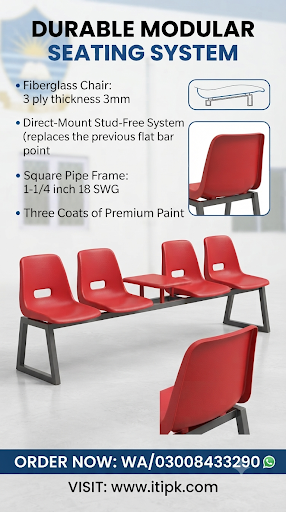
To understand why these seats are so popular, it helps to know what they are made of. Fiberglass stadium chairs—often referred to as FRP (Fiberglass Reinforced Plastic) or GRP (Glass Reinforced Plastic) chairs—are manufactured using a composite material.
This material combines fine glass fibers with a tough polymer resin. The glass fibers provide incredible structural strength and flexibility, while the resin binds everything together and creates a smooth, weather-resistant surface. The result is a highly durable, lightweight, and versatile material that can be molded into ergonomic shapes.
Unlike standard plastics that can become brittle under the sun, or metals that are prone to rust, FRP chairs are engineered specifically for high-stress environments.
Top Benefits of Fiberglass Chairs
So, why are facility managers rushing to install fiberglass stadium chairs? The advantages go far beyond just providing a place to sit. Here are the top benefits:
1. Unmatched Durability and Weather Resistance
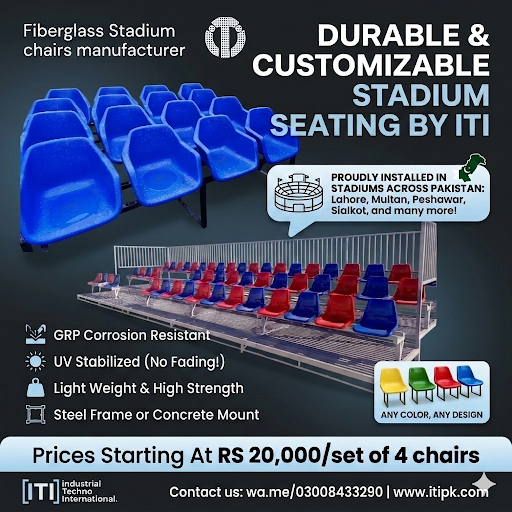
Outdoor arena seats take a beating. They are exposed to scorching summer sun, heavy monsoon rains, and freezing winter temperatures. Fiberglass is inherently waterproof and highly resistant to UV rays, meaning the chairs won’t crack, warp, or fade easily over time. They are built to last for decades, even in the harshest outdoor climates.
2. Ergonomic Comfort for Spectators
A three-hour game feels much longer if you are sitting on an uncomfortable, flat surface. Because fiberglass is molded during the manufacturing process, it can be shaped to fit the natural curves of the human body. This ergonomic design provides better lumbar support, keeping fans comfortable from kickoff to the final whistle.
3. Incredibly Low Maintenance
Nobody wants to spend thousands of dollars on upkeep. Traditional materials require regular painting, sealing, or rust-removal. Fiberglass, on the other hand, is practically maintenance-free. A simple wash with soap and water is usually all it takes to keep custom fiberglass seats looking brand new.
4. Vandalism and Impact Resistance
Public spaces unfortunately attract rough use and occasional vandalism. Fiberglass has an incredibly high strength-to-weight ratio. It can absorb heavy impacts without shattering, and its tough surface makes it highly resistant to scratches, cuts, and graffiti.
5. Vibrant Customization Options
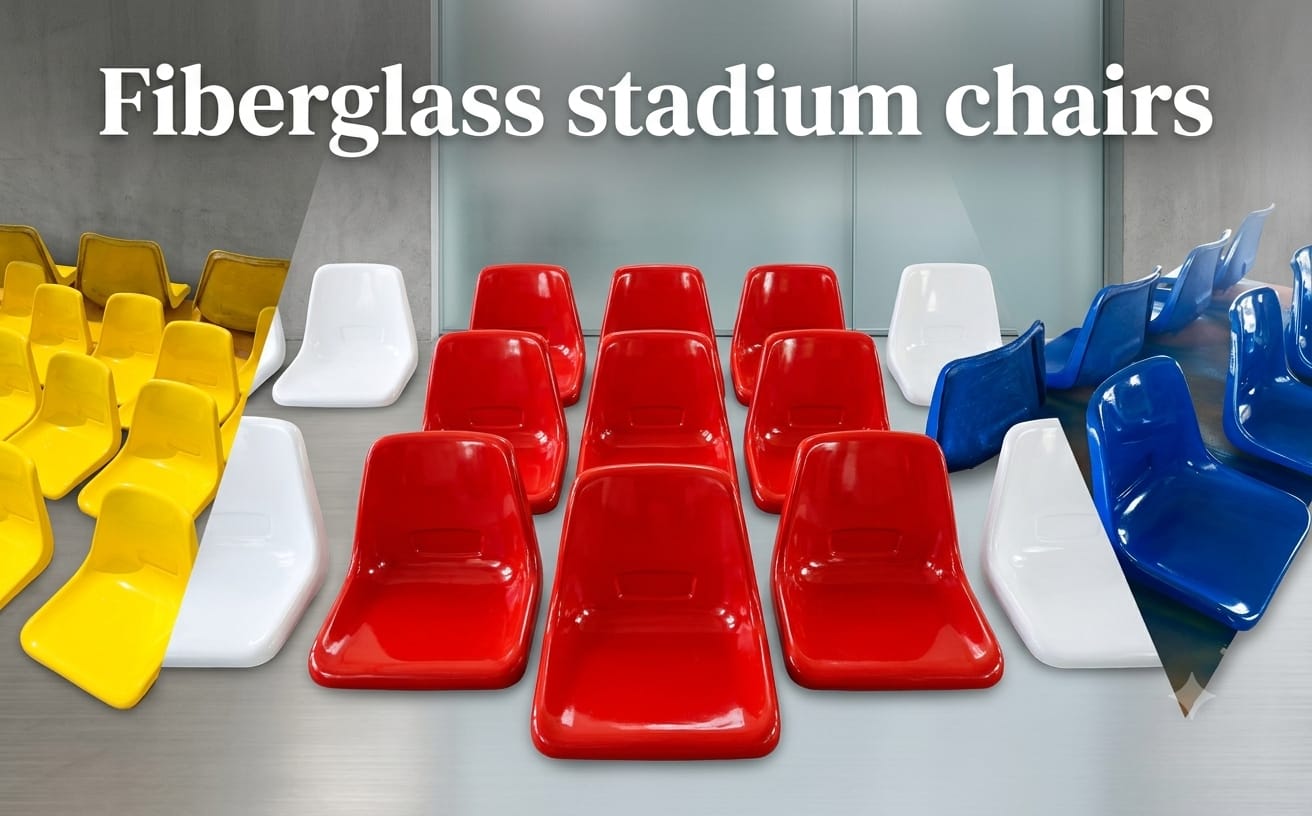
Because the color is mixed directly into the resin during the manufacturing process, fiberglass stadium chairs don’t just have color painted on the outside—the color runs all the way through. This means you can match your seating exactly to your team’s colors or your brand’s aesthetic, and that vibrant look will remain intact for years without peeling.
How They Compare to Other Seating Materials
When evaluating durable stadium seating, it’s helpful to see how fiberglass holds up against the traditional alternatives.
| Feature | Fiberglass (FRP) | Standard Plastic (Polypropylene) | Metal / Aluminum | Wood |
| Lifespan | 15–20+ Years | 5–10 Years | 10–15 Years (Prone to rust) | 3–7 Years (Prone to rot) |
| Weather Resistance | Excellent (UV & Water resistant) | Moderate (Can become brittle) | Good (Gets very hot/cold) | Poor (Requires constant sealing) |
| Maintenance | Very Low | Low | High (Needs rust treatment) | Very High (Sanding, painting) |
| Comfort | High (Ergonomic molds) | Moderate | Low (Hard, unforgiving surface) | Moderate |
While plastic might seem like a cheap quick fix, it often fails under UV exposure. Metal gets dangerously hot in the summer sun, and wood simply cannot survive the elements without constant, expensive upkeep. Fiberglass offers the best balance of longevity, comfort, and safety.
Best Applications and Use Cases
Because of their incredible versatility, FRP chairs aren’t just for massive football stadiums. They are the perfect seating solution for a wide variety of venues:
-
Sports Arenas and Stadiums: From local high school football fields to massive cricket stadiums, fiberglass handles heavy crowds effortlessly.
-
Educational Institutions: Universities and colleges use them for indoor gymnasiums, lecture halls, and outdoor campus seating.
-
Amusement Parks and Water Parks: Because they are waterproof and won’t rust, they are ideal for areas near pools or high-humidity environments.
-
Public Transit Stations: Bus stops and train stations benefit from the vandal-resistant nature of fiberglass.
-
Outdoor Amphitheatres: Perfect for outdoor concert venues where seats remain exposed to the elements year-round.
Cost vs. Value: Are They Worth the Investment?
One of the most common questions buyers ask is about the price. It is true that fiberglass stadium chairs might have a slightly higher upfront cost compared to basic injection-molded plastic seats. However, looking at the initial price tag only tells half the story.
When you invest in infrastructure, you have to consider the Total Cost of Ownership (TCO).
Because standard plastic seats become brittle and crack under UV exposure, you may find yourself replacing 10% to 20% of your seating every few years. Wood requires annual treatments, and metal needs regular rust inspections.
With fiberglass, your maintenance budget drops to near zero. The seats last for decades without needing replacement. When you spread the initial cost over a 15-to-20-year lifespan, custom fiberglass seats actually offer a vastly superior Return on Investment (ROI). You save money on repairs, labor, and replacement parts, making them the most cost-effective choice in the long run.
Tips for Choosing the Right Stadium Seating
If you are ready to make the upgrade, keep these key tips in mind to ensure you get exactly what your venue needs:
-
Check the UV Coating: Even though fiberglass is naturally weather-resistant, ensure the manufacturer uses a high-quality UV-resistant gel coat. This prevents chalking and keeps the colors vibrant.
-
Consider Drainage: For outdoor arena seats, look for designs that feature small drainage holes in the seat pan. This prevents water from pooling after a rainstorm, allowing fans to sit down safely as soon as the weather clears.
-
Evaluate the Mounting Style: Do you need riser-mounted seats (attached to the vertical step) or tread-mounted seats (attached to the floor)? Choose a mounting style that makes cleaning underneath the seats easy for your maintenance crew.
-
Partner with a Reputable Manufacturer: The quality of the resin and the fiberglass layering process matters immensely. Always work with an established, experienced manufacturer who understands industrial-grade composites.
Frequently Asked Questions (FAQ)
Do fiberglass chairs get hot in the sun?
While any material will absorb some heat under direct sunlight, fiberglass does not conduct heat the way metal does. It remains much more comfortable and safer to sit on than aluminum or steel seating during the peak of summer.
Can I get these chairs in custom colors?
Yes! One of the biggest advantages of FRP chairs is customization. The pigment is mixed directly into the composite, meaning manufacturers can match almost any Pantone color to represent your team or corporate branding perfectly.
Are fiberglass seats environmentally friendly?
Because they are incredibly durable and do not need to be replaced frequently, fiberglass seats reduce the cycle of waste associated with cheap plastics. Furthermore, many modern manufacturing processes are becoming more eco-conscious, reducing emissions during production.
Conclusion & Final Recommendation
Upgrading your venue’s seating is a major decision that impacts visitor experience, safety, and your long-term budget. As we have explored, fiberglass stadium chairs stand head and shoulders above standard plastic, wood, and metal alternatives. They offer unparalleled weather resistance, ergonomic comfort, and a lifespan that ensures you get maximum value for your investment.
When it comes time to source high-quality stadium seating solutions, you need a partner with a proven track record in composite engineering. INDUSTRIAL TECHNO INTERNATIONAL, based in Lahore, Pakistan, has been a leader in industrial design and custom fiberglass fabrication since 1998. They specialize in producing modular, highly durable FRP structures and seating that are built to withstand the toughest environments.
Don’t settle for seating that will fade and crack in a few short years. Invest in quality, durability, and comfort.
Ready to upgrade your venue?
📍 Location: Lahore, Pakistan
📞 Phone: +92 300 8433290
🌐 Website: www.itipk.com