

Ultimate Guide to GRP/FRP/Fiberglass Flexible Solid Rod, Wire Reel Solutions
The demand for lightweight, high-strength materials has reshaped modern manufacturing and agriculture. Whether you are constructing durable agricultural greenhouses, assembling heavy-duty camping gear, or managing industrial electrical installations, traditional metal and wooden supports often fail under environmental stress. Corrosion, excessive weight, and lack of flexibility frequently lead to structural failure and recurring replacement costs.
Selecting a high-performance GRP/FRP/Fiberglass flexible solid rod, wire reel solution bridges the gap between structural integrity and physical adaptability. Engineered through advanced pultrusion techniques, these solid composite rods and continuous wire reels provide non-corroding, non-conductive, and exceptionally resilient performance across diverse indoor and outdoor environments.
What Are GRP, FRP, and Fiberglass Flexible Solid Rods and Wire Reels?
Glass Reinforced Plastic (GRP) and Fiber Reinforced Polymer (FRP) refer to high-strength composite materials formed by embedding glass fibers within a premium polymer resin matrix. When processed via pultrusion—a continuous manufacturing method where fibers are pulled through resin bath heated dies—the material forms a solid, uniform structural profile with linear strength and high tensile capacity.
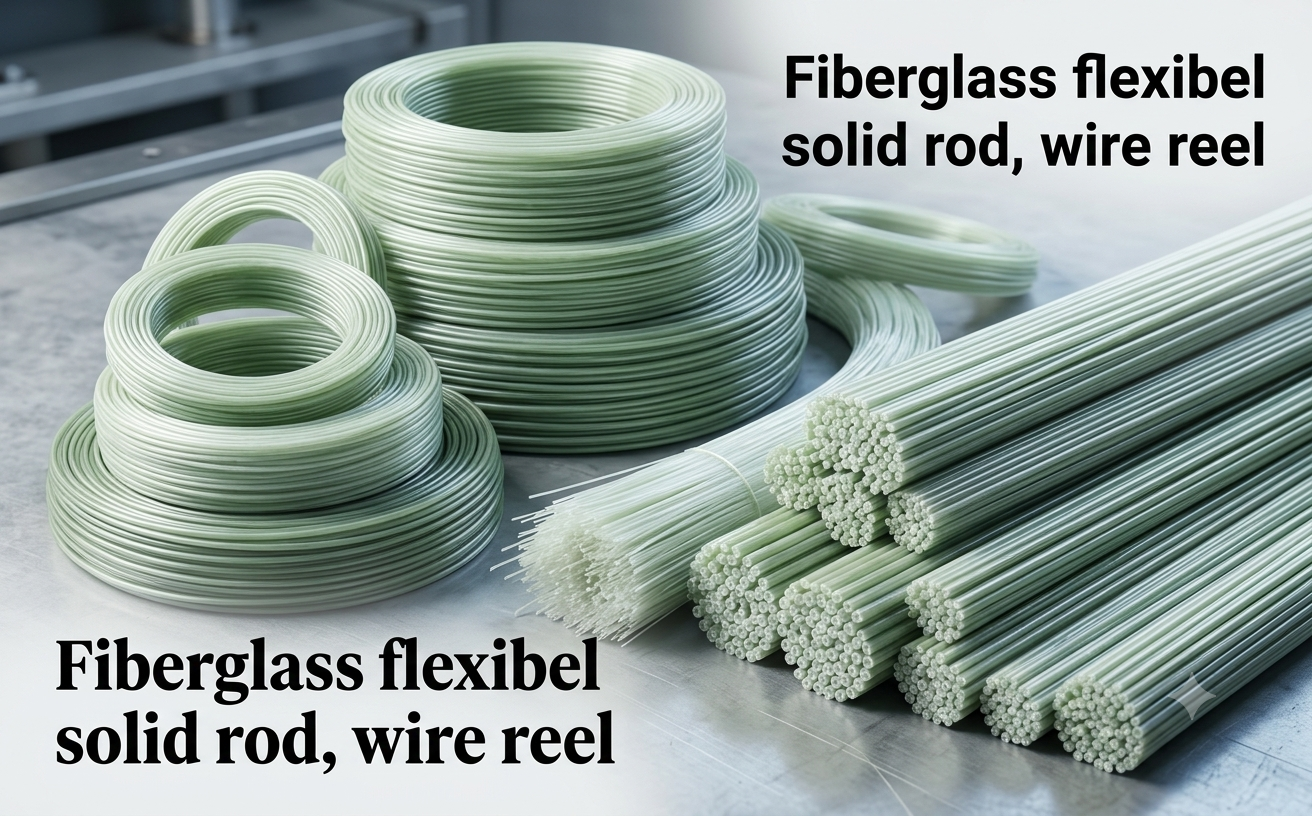
GRP/FRP/Fiberglass flexible solid rod, wire reel products are manufactured in two primary physical formats to suit specific application demands:
-
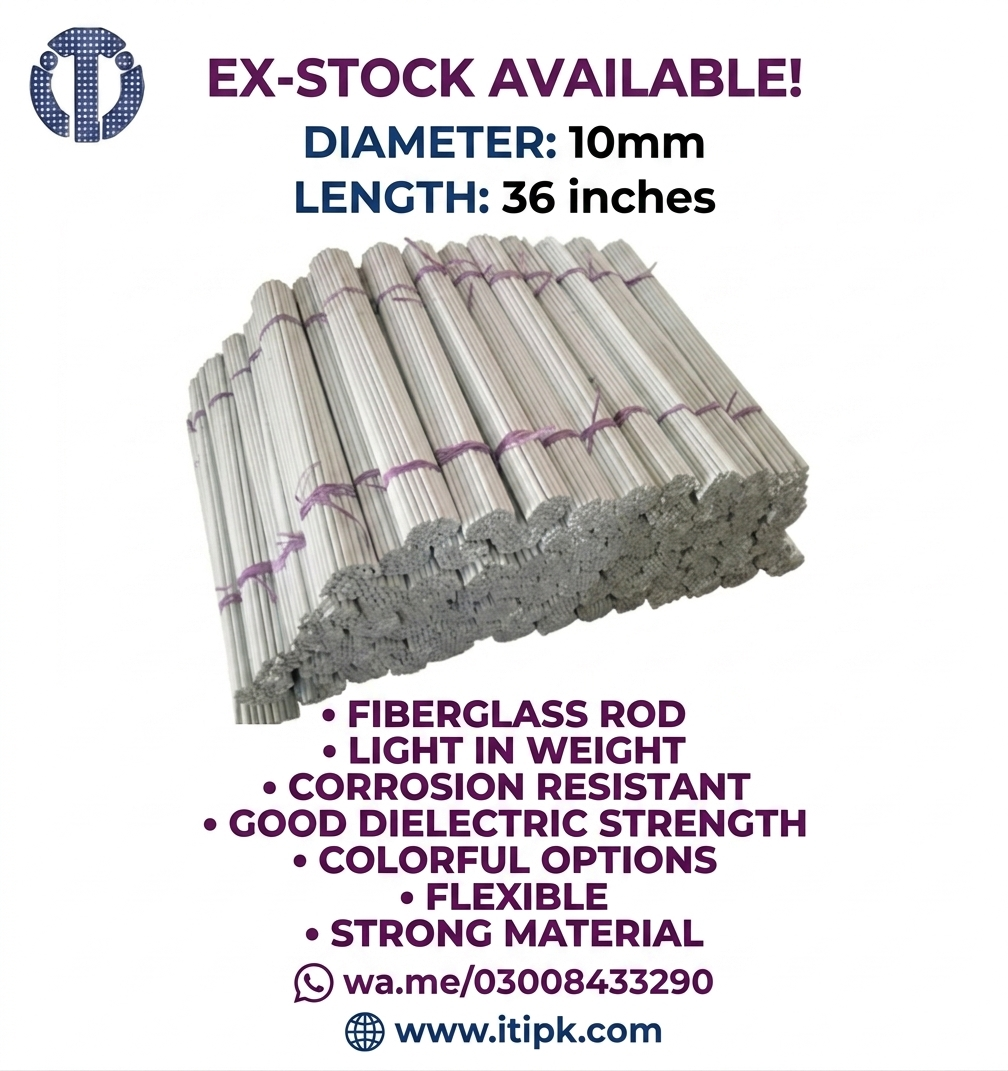
Solid Cut Rods: Straight, rigid-yet-flexible sections manufactured in precise diameters (ranging from 1mm up to 12mm and above) and pre-cut lengths ideal for direct structural insertion.
-
Continuous Wire Reels: Flexible, continuous lengths wound on coils or cardboard cores, allowing operators to pay out exact custom lengths without material waste.
Top Benefits of Pultruded Solid Fiberglass Rods and Wire Reels
Switching to solid pultruded fiberglass composite profiles delivers measurable technical and operational advantages over conventional materials.
Exceptional Flexibility with Shape Memory
Unlike metal rods that bend permanently under strain or wooden stakes that snap, fiberglass solid rods exhibit elastic memory. They bend significantly under heavy mechanical loads or extreme wind forces and return immediately to their original straight profile once the force is removed.
High Tensile Strength to Weight Ratio
Composite solid rods provide comparable tensile load capacity to mild steel while weighing roughly a quarter of the weight. This low mass simplifies transit, reduces freight costs, and minimizes manual fatigue during large-scale field installations.
Complete Corrosion and Chemical Resistance
Exposure to high humidity, agricultural fertilizers, saline atmosphere, or harsh industrial chemicals will not rust, rot, or degrade pultruded GRP profiles. This resistance guarantees extended service life without recurring surface treatments, painting, or galvanization.
Electrical and Thermal Insulation
As non-metallic composites, fiberglass rods offer high dielectric strength, eliminating risks associated with electrical conductivity in utility installations, telecom duck pulling, or electrified fencing systems.
How GRP/FRP Fiberglass Rods Compare to Traditional Materials
Understanding how pultruded fiberglass compares to steel, bamboo, and PVC highlights why commercial industries are adopting composite profiles.
| Material Property | GRP/FRP Solid Fiberglass Rods | Mild Steel Rods | PVC / Plastics | Bamboo / Wood |
| Corrosion Resistance | Excellent (Immune to rust) | Poor (Requires galvanization) | Good | Poor (Rots over time) |
| Flexibility & Recovery | High (Elastic shape memory) | Low (Permanent bending) | Moderate (Warps under heat) | Low (Snaps under pressure) |
| Weight | Very Lightweight | Heavy | Moderate | Light |
| Electrical Conductivity | Non-Conductive | High Conductor | Non-Conductive | Non-Conductive (When dry) |
| Lifespan Outdoors | Multi-Year / Long Term | Short to Moderate | Short (UV degrades) | Very Short (1-2 Seasons) |
Best Applications and Use Cases for Fiberglass Rods and Wire Reels
The versatility of the GRP/FRP/Fiberglass flexible solid rod, wire reel format makes it suitable for a wide range of agricultural, commercial, and manufacturing applications.
1. Agricultural Low and High Tunnels
In modern horticulture, solid flexible rods form the structural hoops for low plastic tunnels and crop protection covers. Their continuous tension keeps agricultural film taut against wind loads without abrading or tearing the plastic cover.
2. Tents, Canopies, and Recreational Structures
Flexible GRP rods serve as high-strength structural framing for recreational camping tents, pop-up shelters, children’s play mats, and display canopies that require repeated flexing and quick setup.
3. Electrical and Telecommunications Cable Pulling
Continuous fiberglass wire reels act as duct rodders or fish tapes, guiding wiring through dense conduit networks due to their non-conductive nature and column strength.
4. Industrial Manufacturing and Consumer Goods
Solid rods are widely integrated as structural reinforcement cores in flags, banners, kites, curtain mechanisms, toy manufacturing, and specialized sporting goods.
Cost vs. Value: A Long-Term Investment Analysis
While the initial unit purchase price of a high-grade GRP/FRP/Fiberglass flexible solid rod, wire reel can be higher than untreated bamboo or basic steel wire, its long-term cost-to-value ratio is superior.
-
Reduced Replacement Cycles: Traditional materials require frequent replacement due to rusting, snapping, or weather degradation. Fiberglass rods regularly last through multiple seasonal cycles without performance loss.
-
Lower Labor Costs: Lightweight material coils reduce manual handling effort and speed up field assembly time.
-
Zero Maintenance Expenses: GRP rods do not require anti-rust coatings, paints, or preservative treatments during their operational lifespan.
Practical Tips for Choosing the Right Fiberglass Rod or Wire Reel
Selecting the correct product specification ensures maximum efficiency and safety for your project:
-
Match Diameter to Load Requirements: Use smaller diameters (1mm to 3.3mm) for high-flexibility applications like wire reels, kites, or light frame supports. Opt for thicker diameters (4mm to 12mm+) for load-bearing structural hoops, crop arches, or heavy tent poles.
-
Determine the Format (Rod vs. Reel): Choose pre-cut solid rods for uniform assembly lines and fixed structural frames. Choose continuous wire reels when cutting custom lengths on-site or pulling long spans through conduit lines.
-
Verify Resin Quality: Ensure the pultruded rod utilizes quality UV-stabilized resins to prevent surface fiber bloom when exposed to prolonged sunlight.
Frequently Asked Questions (FAQ)
What diameters are standard for flexible fiberglass rods?
Standard ex-stock sizes typically range from thin flexible wires of 1mm, 2mm, 2.5mm, 3mm, and 3.3mm. Larger structural diameters, including 4mm, 5mm, 6mm, 7mm, 8.5mm, 10mm, 12mm, and custom sizes, are manufactured on order to meet specific project needs.
Can GRP/FRP fiberglass rods be cut on-site?
Yes. Fiberglass rods can be easily cut to size using standard shop tools such as a fine-tooth saw, diamond blade cut-off wheel, or abrasive saw. Wearing protective eye gear and a dust mask during cutting is recommended.
Do fiberglass rods degrade under direct sunlight?
High-quality pultruded GRP rods are formulated with UV-resistant additives mixed directly into the polymer resin matrix. This design prevents UV breakdown and ensures stable multi-year outdoor performance.
Conclusion and Final Recommendation
Investing in a high-grade GRP/FRP/Fiberglass flexible solid rod, wire reel system delivers superior strength, longevity, and versatility compared to traditional wood, PVC, or metal alternatives. Their combination of elastic flexibility, corrosion resistance, and high load capacity makes them an essential material across modern agriculture, construction, and consumer manufacturing.
For certified, direct-factory production and customized structural fiberglass profiles tailored to your technical requirements, consult with industry-experienced manufacturers.
Manufacturer Contact Details
-
Company Name: Industrial Techno International
-
Location: Lahore, Pakistan
-
WhatsApp / Direct Contact: +92 300 8433290
-
Official Website: www.itipk.com