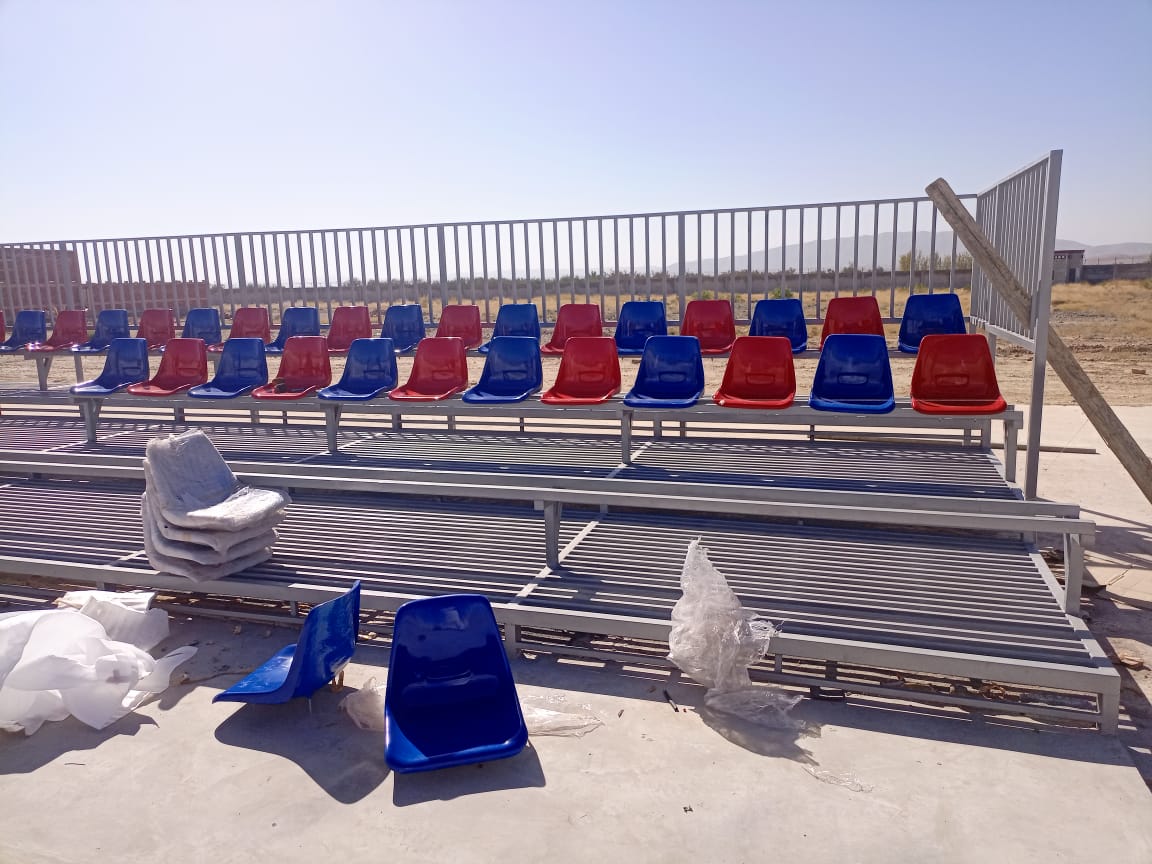


Fiberglass Chairs, Benefits, Types, Uses & Buying Guide
Learn how fiberglass chairs are made, their benefits, outdoor durability, commercial uses, costs, customization, maintenance, and buying tips for businesses. fiberglass chairs, FRP chairs, fiberglass furniture, outdoor fiberglass chairs, commercial fiberglass chairs, custom fiberglass chairs, fiberglass chair manufacturer. Fiberglass chairs have become an important option for businesses that need furniture capable of combining strength, practical maintenance, visual flexibility, and resistance to demanding environments. From restaurants and hotels to outdoor cafés, waiting areas, leisure facilities, offices, public spaces, and commercial projects, well-designed fiberglass chairs can provide advantages that ordinary plastic or untreated metal furniture may not offer.
Also known as FRP chairs or, more specifically, glass-fiber-reinforced plastic chairs, these products use reinforcing glass fibers inside a polymer resin system. The result is a composite material that can be formed into attractive shapes while providing greater structural performance than many unreinforced plastics.
However, not every fiberglass chair is manufactured to the same standard. Resin quality, fiberglass content, reinforcement placement, wall thickness, UV protection, hardware, manufacturing method, and quality control all influence how a chair performs.
This guide explains what fiberglass chairs are, their major benefits, how they compare with plastic and metal chairs, where they are commonly used, how they are manufactured, what affects their lifespan, and what commercial buyers should consider before placing an order.
What Are Fiberglass Chairs?
Fiberglass chairs are seating products made fully or partly from fiberglass-reinforced polymer.
The material consists of two main components:
- Glass fibers, which provide reinforcement and help carry structural loads.
- Polymer resin, which surrounds the fibers, creates the chair’s shape, and protects the reinforcement.
When these materials are properly combined, they form a composite known as glass-fiber-reinforced polymer.
FRP, GRP and Fiberglass: What Is the Difference?
The terms are often used interchangeably in commercial discussions, although there are technical differences.
FRP means Fiber-Reinforced Polymer or Fiber-Reinforced Plastic. It is a broad category that can include glass, carbon, aramid, or other reinforcing fibers.
GRP means Glass-Reinforced Plastic. It specifically refers to polymer reinforced with glass fibers.
Fiberglass is the common industry term for glass-fiber reinforcement and is frequently used when describing GRP products.
Therefore, a fiberglass chair is normally a type of GRP chair, and GRP itself belongs to the broader FRP family.
Common Types of Fiberglass Chairs
The construction of a chair can vary according to its application. Common categories include:
- Molded fiberglass shell chairs
- Fiberglass dining chairs
- Outdoor fiberglass chairs
- Commercial fiberglass chairs
- Fiberglass lounge chairs
- Fiberglass café seating
- Chairs with FRP seats and separate metal or composite bases
- One-piece molded FRP chairs
- Custom fiberglass chairs for architectural projects
- Branded or specially finished fiberglass furniture
Some products are produced from thermoset fiberglass composites, while others may use glass-fiber-reinforced thermoplastics. Buyers should confirm the actual material specification rather than relying only on the product name.
Top 10 Benefits of Fiberglass Chairs
The growing commercial use of fiberglass furniture is closely related to the performance characteristics of composite materials.
1. High Strength-to-Weight Performance
One of the most useful characteristics of fiberglass composite is its ability to provide good structural performance without requiring the weight of a heavy solid material.
Glass fibers reinforce the polymer matrix and help resist bending and other service loads.
A well-engineered FRP chair can therefore be relatively lightweight while remaining strong enough for repeated commercial use.
Actual strength, however, depends on chair geometry, fiber content, reinforcement design, manufacturing quality, and connection details.
2. Excellent Resistance to Corrosion
Fiberglass itself does not rust like carbon steel.
This makes outdoor fiberglass chairs attractive for humid environments, gardens, pool areas, coastal locations, cafés, and other places where moisture is regularly present.
Buyers should remember that a fiberglass chair may still contain screws, inserts, legs, brackets, or other metal components. These components need an appropriate corrosion-resistant finish or material when the chair will be exposed to moisture.
3. Good Moisture Resistance
Quality FRP does not absorb water in the same way as many natural materials.
This characteristic makes fiberglass seating useful where furniture is regularly exposed to rain, humidity, splashes, or frequent cleaning.
Properly sealed surfaces, finished edges, and correctly designed joints remain important for long-term service.
4. Flexible Design Possibilities
Fiberglass can be molded into complex shapes that may be difficult to create economically from traditional materials.
Manufacturers can produce:
- Curved backs
- Sculpted seats
- Integrated armrests
- Smooth continuous surfaces
- Contemporary geometric forms
- Custom dimensions
- Decorative textures
- Branded features
This flexibility is particularly valuable for architects, hospitality companies, restaurants, developers, and designers seeking distinctive furniture.
5. Wide Choice of Colors and Finishes
Fiberglass chairs can be manufactured in numerous colors and surface styles.
Depending on the production system, options may include smooth finishes, matte surfaces, textured finishes, glossy gel coats, custom colors, or coatings selected for a particular commercial environment.
Color can sometimes be incorporated into the surface material rather than relying solely on a thin decorative paint layer.
6. Relatively Low Routine Maintenance
Good-quality FRP furniture normally requires limited routine maintenance.
For everyday cleaning, a mild detergent, water, and a soft cloth or non-abrasive sponge are usually sufficient.
Commercial operators can reduce unnecessary maintenance by avoiding harsh solvents, aggressive chemicals, and abrasive cleaning materials unless the chair manufacturer specifically confirms their compatibility.
7. Suitable for Indoor and Outdoor Projects
With the correct material specification, fiberglass seating can work in both indoor and outdoor locations.
For outdoor service, buyers should specifically request UV-resistant resin, coating, or gel coat because continuous sunlight can gradually degrade poorly protected polymer surfaces.
Outdoor performance should never be assumed simply because a product is described as fiberglass.
8. Consistent Shapes for Project Furniture
Mold-based manufacturing makes it possible to reproduce the same chair shape repeatedly.
This is useful for restaurants, food courts, hotels, institutions, and large projects where hundreds of chairs may need a consistent appearance.
Good tooling and process control can also improve dimensional consistency from one production batch to another.
9. Potential for Repair
Depending on the construction and type of damage, some thermoset fiberglass components can be repaired using compatible fiberglass reinforcement and resin.
This does not mean every damaged chair should be repaired. Structural damage should be inspected carefully, particularly where public safety is involved.
For commercial furniture, replacement may be preferable when a repair cannot restore the required structural integrity.
10. Strong Whole-Life Value
A fiberglass chair may cost more initially than a basic unreinforced plastic chair, but purchase price alone does not determine value.
Commercial buyers should consider:
- Expected service life
- Frequency of replacement
- Cleaning requirements
- Corrosion resistance
- Refinishing requirements
- Repairability
- Appearance retention
- Downtime caused by damaged furniture
- Replacement availability
A product that performs reliably for a longer period may offer better total value even when its initial price is higher.
Fiberglass Chairs vs Plastic Chairs: Which Is Better?
The word “plastic” covers an enormous range of materials, so there is no universal winner. Nevertheless, an important structural difference exists between ordinary unreinforced plastic and fiberglass-reinforced composite.
| Feature | Fiberglass Chair | Basic Unreinforced Plastic Chair |
|---|---|---|
| Reinforcement | Glass fibers | Usually none |
| Structural potential | High when properly engineered | Depends heavily on polymer and section thickness |
| Design flexibility | Excellent | Excellent |
| Corrosion | Does not rust | Does not rust |
| Outdoor capability | Very good with UV protection | Depends on polymer and UV stabilization |
| Customization | Extensive | Extensive, but tooling may differ |
| Initial cost | Often higher | Often lower |
| Repair options | Possible for some FRP systems | Often limited |
| Commercial durability | Potentially excellent | Highly dependent on product grade |
Low-cost plastic chairs can be perfectly suitable for temporary seating, light residential use, and cost-sensitive applications.
For heavier commercial use, properly engineered FRP chairs may provide greater rigidity and durability because of the reinforcing fibers.
The correct comparison should always be between specific products rather than between material names alone.
Fiberglass vs Metal Chairs: Which Is Better for Commercial Use?
Metal chairs are widely used in restaurants, offices, hotels, schools, event facilities, and industrial environments. They can provide excellent strength and long service life when properly designed.
Fiberglass offers a different set of advantages.
Where Fiberglass Has an Advantage
Fiberglass may be preferable where buyers need:
- Corrosion resistance
- Complex molded shapes
- Smooth surfaces
- Reduced dependence on repainting
- Lightweight construction
- Outdoor suitability
- Custom colors and forms
Where Metal May Have an Advantage
Steel or aluminum may be preferred where a project requires:
- Thin structural sections
- A specific architectural metal appearance
- Highly rigid frame construction
- Welded assemblies
- Certain specialized load requirements
Steel must normally be protected from corrosion using suitable coatings or finishes. Aluminum does not rust like steel but can still corrode under certain environmental conditions.
For many commercial projects, the best solution can also be a hybrid chair combining an FRP shell with a properly finished metal frame.
How Fiberglass Chairs Are Made
Manufacturing methods vary between factories and product designs, but the general process for a molded thermoset fiberglass chair involves several important stages.
Step 1: Product Design
The process begins with determining the dimensions, seating position, back support, load paths, wall sections, reinforcement areas, base design, and overall appearance.
Ergonomics are important because a strong chair that is uncomfortable will still be unsuitable for hospitality or public use.
Step 2: Prototype and Mold Development
A master model or digital design is used to develop manufacturing tooling.
The mold determines important characteristics such as:
- Shape
- Dimensions
- Surface texture
- Edge quality
- Repeatability
Custom fiberglass chairs generally require dedicated tooling, which is why customized projects may involve an initial mold or tooling charge.
Step 3: Mold Preparation
Before molding, the surface is cleaned and prepared using an appropriate release system. This allows the cured fiberglass component to be separated from the mold without damaging its surface.
Step 4: Surface Layer Application
For many FRP products, a gel coat or similar surface system is applied first.
The surface layer can provide color, appearance, environmental protection, and a smoother finish.
For outdoor furniture, UV resistance should be part of the material specification.
Step 5: Fiberglass and Resin Placement
Glass reinforcement and resin are introduced using the selected manufacturing process.
Possible techniques include:
- Hand lay-up
- Spray-up
- Resin transfer molding
- Compression molding
- Other controlled composite molding processes
Reinforcement may be concentrated around high-stress areas, mounting locations, corners, seat-to-back transitions, or structural ribs.
Step 6: Curing
The resin is allowed to cure according to the material system and manufacturing process.
Proper curing is essential because incomplete or poorly controlled curing can affect mechanical properties, surface quality, and dimensional stability.
Step 7: Trimming and Assembly
After removal from the mold, excess material is trimmed.
Edges are finished, mounting holes may be prepared, and frames, feet, inserts, armrests, or other components are assembled where required.
Step 8: Finishing and Quality Inspection
The completed chair should be inspected for defects such as cracks, exposed reinforcement, unacceptable voids, sharp edges, dimensional problems, poor finishing, or loose hardware.
Commercial buyers should also request relevant structural or load testing where required by their project specification.
Best Applications and Use Cases for Fiberglass Chairs
Fiberglass seating can be used across many commercial environments.
Restaurants and Cafés
Restaurants need furniture that can cope with frequent movement, cleaning, spills, and continuous customer use.
Commercial fiberglass chairs can provide an effective combination of design flexibility and practical maintenance.
For outdoor dining, UV resistance and weather-resistant hardware become particularly important.
Hotels and Resorts
Hotels may use fiberglass chairs in:
- Guest rooms
- Balconies
- Pool areas
- Restaurants
- Cafés
- Reception spaces
- Outdoor terraces
- Leisure facilities
Custom colors can also help furniture coordinate with a property’s interior or brand identity.
Public Spaces
FRP seating can be considered for waiting areas, recreational spaces, educational facilities, community areas, and selected public installations.
For public environments, buyers should give particular attention to structural testing, anchoring requirements, vandal resistance, fire-performance requirements, and local building regulations.
Outdoor Commercial Areas
Gardens, terraces, cafés, resorts, recreational facilities, and poolside areas can benefit from the moisture and corrosion resistance of the FRP body.
Drainage should be considered carefully. A chair designed for exposed outdoor use should not allow rainwater to remain trapped unnecessarily.
Offices and Institutional Projects
Fiberglass shells can be incorporated into meeting chairs, reception seating, visitor chairs, canteen furniture, and other high-use environments.
Architectural and Custom Projects
One of the strongest reasons for specifying custom fiberglass chairs is the ability to create a distinctive form specifically for a project.
A developer or designer may specify custom dimensions, shapes, textures, colors, bases, logos, or integrated design features.
Are Fiberglass Chairs Good for Outdoor Use?
Yes, fiberglass chairs can be excellent for outdoor use when they are manufactured specifically for that environment.
Outdoor suitability depends on more than simply using fiberglass.
Buyers should look for:
- UV-resistant resin, coating, or gel coat
- Suitable surface pigmentation
- Weather-resistant hardware
- Effective drainage
- Properly sealed edges and mounting points
- Appropriate structural reinforcement
- Easy-to-clean surfaces
In coastal or swimming-pool environments, the specification of metal fasteners becomes particularly important because salts, moisture, and pool chemicals may attack unsuitable hardware.
Lightweight furniture may also require anchoring, storage, or other precautions in locations exposed to strong wind.
How Long Do Fiberglass Chairs Last?
There is no responsible way to give one fixed lifespan for every fiberglass chair.
Service life varies according to:
- Resin quality
- Fiberglass type and quantity
- Manufacturing process
- Chair design
- User loads
- UV exposure
- Temperature
- Moisture and chemicals
- Surface protection
- Cleaning practices
- Impact and abuse
- Maintenance
A well-designed commercial FRP chair can remain serviceable for many years, but a poorly manufactured product may fail much sooner.
For project purchasing, a documented material specification and quality-control process are therefore more useful than a broad lifespan claim.
Cost vs. Value: Are Fiberglass Chairs Worth the Investment?
The cost of fiberglass chairs can vary significantly because products may differ in size, complexity, resin system, reinforcement quantity, finishing, hardware, manufacturing method, production volume, and customization.
What Affects the Price?
Major pricing factors include:
- Chair size and design complexity
- Type of resin
- Amount and type of reinforcement
- Surface finish
- Outdoor or UV-resistant specification
- Hardware and base materials
- Custom tooling requirements
- Order quantity
- Testing requirements
- Packaging and transportation
Custom manufacturing normally has a higher development cost because a mold may need to be designed and produced.
Once tooling has been developed, larger production quantities can distribute that initial tooling cost across more units.
Consider Total Cost of Ownership
Commercial buyers should compare more than the quotation price.
For example, replacing inexpensive chairs every few years may eventually cost more than purchasing a more durable product initially.
A useful evaluation considers purchase cost together with maintenance, cleaning, repair, replacement frequency, appearance retention, and expected usage.
Custom Fiberglass Chairs: Design and Commercial Benefits
Customization is one of the most attractive characteristics of FRP manufacturing.
Depending on manufacturing capability, buyers may be able to specify:
- Overall dimensions
- Seat height
- Backrest shape
- Armrest configuration
- Surface texture
- Color
- Gloss level
- Branding
- Logo details
- Mounting system
- Frame type
- Reinforcement locations
- Indoor or outdoor formulation
Why Customization Matters
Custom furniture allows restaurants, hotels, developers, and architects to develop seating that fits a specific environment instead of adapting a project around standard furniture dimensions.
It can also create greater visual consistency across a commercial property.
However, customization should never focus on appearance alone. Ergonomics, structural strength, stability, manufacturability, cleaning, safety, and transportation must all be considered during development.
How to Choose the Best Fiberglass Chairs for Your Business
Commercial purchasing should begin with the operating environment, not simply a catalog image.
1. Define the Application
Decide whether the chair will be used:
- Indoors
- Outdoors
- Poolside
- In restaurants
- In hotels
- In public areas
- In high-traffic commercial locations
The environment determines many of the technical requirements.
2. Ask About the Material System
A professional fiberglass chair manufacturer or supplier should be able to explain the basic construction.
Ask about the resin, reinforcement, surface system, UV protection, and intended operating environment.
3. Check Structural Performance
Do not judge strength from appearance alone.
Request appropriate load-test information, technical data, or project-specific testing where necessary.
Pay particular attention to the seat, backrest, legs, fixing points, and transitions between structural sections.
4. Inspect the Finish
Look for:
- Smooth, properly finished edges
- Consistent surface appearance
- Secure fittings
- No obvious cracks
- No dangerous exposed fibers
- Correct dimensions
- Stable positioning
A visually attractive surface should not hide poor structural workmanship.
5. Confirm Outdoor Protection
If chairs will be outdoors, specifically request UV and weather resistance.
Do not assume that every FRP product automatically has the same outdoor performance.
6. Consider Fire Requirements
Standard fiberglass composites should not automatically be described as fireproof.
Where a hotel, public building, transport facility, institution, or other regulated environment has fire-performance requirements, buyers should specify the required standard and request appropriate test documentation.
Flame-retardant resin systems can be developed for some applications, but compliance must be verified rather than assumed.
7. Test a Sample Before a Large Order
For major commercial or wholesale fiberglass chair orders, evaluating a production sample is valuable.
Check:
- Comfort
- Stability
- Dimensions
- Finish
- Color
- Weight
- Hardware
- Stacking behavior, if applicable
- Cleaning
- Packaging
A sample approval process can prevent expensive misunderstandings later.
Wholesale Fiberglass Chairs: What Dealers and Project Buyers Should Check
Wholesale and project purchasing introduces additional considerations beyond selecting the chair itself.
Before placing a large order, confirm:
Manufacturing Capacity
Ensure the supplier can produce the required quantity while maintaining consistent material and workmanship.
Minimum Order Quantity
Custom colors, molds, finishes, or components may require minimum production quantities.
Tooling Ownership
For a custom design, determine who owns the production mold and whether it can be used for other customers.
This should be agreed in writing where exclusivity matters.
Quality-Control Procedure
Ask how finished chairs are inspected and what happens when a product fails the agreed specification.
Packaging
Good packaging is especially important for finished fiberglass surfaces because poor handling can cause scratches or other cosmetic damage during transport.
Replacement and Repeat Orders
Commercial projects frequently need additional chairs later.
Ask whether the same model, mold, color, and finish can be reproduced for future phases or replacement requirements.
Maintenance Tips for Outdoor and Commercial Fiberglass Chairs
Fiberglass seating is generally straightforward to maintain, but a few basic practices can extend service life.
Routine Cleaning
Use water, mild detergent, and a soft cleaning material.
Remove dirt, food residue, bird droppings, chemicals, or other contaminants before they remain on the surface for extended periods.
Avoid Aggressive Abrasives
Abrasive pads may dull glossy finishes or damage the protective surface.
Inspect Hardware
Periodically inspect bolts, feet, brackets, inserts, and frames.
A fiberglass seat may remain in excellent condition while a loose or corroded fastener creates a safety problem.
Check for Structural Damage
Remove a chair from service if there are significant cracks, delamination, damaged mounting points, or instability.
Structural repairs should be evaluated properly rather than hidden with cosmetic paint or filler.
Protect Furniture When Practical
Even outdoor-rated furniture can benefit from sensible protection during extreme weather or extended periods when it is not being used.
Frequently Asked Questions About Fiberglass Chairs
Are FRP Chairs and Fiberglass Chairs the Same?
In most commercial discussions, yes. Fiberglass chairs are chairs made using glass-fiber-reinforced polymer, which is one category of FRP. Technically, FRP is a broader term because other reinforcing fibers can also be used.
Are Fiberglass Chairs Stronger Than Plastic Chairs?
Fiberglass reinforcement can significantly improve the structural performance of a polymer, but the final strength depends on product design, materials, fiber quantity, manufacturing quality, and load conditions.
A well-made fiberglass chair may outperform a basic unreinforced plastic chair, but material names alone do not guarantee performance.
Can Fiberglass Chairs Be Left Outside?
Outdoor-grade fiberglass chairs can be used outside. They should have suitable UV protection, weather-resistant surfaces, correct drainage, and appropriate hardware.
Do Fiberglass Chairs Rust?
The fiberglass composite itself does not rust. Metal screws, bases, frames, or inserts may still corrode if unsuitable materials or coatings are used.
Can Fiberglass Chairs Be Customized?
Yes. Fiberglass molding supports extensive customization, including shape, dimensions, texture, color, armrests, branding, and other design elements. Custom products normally involve tooling and minimum production quantities.
Are Fiberglass Chairs Suitable for Restaurants?
Yes, properly designed commercial fiberglass chairs can work well in restaurants because they can combine durability, cleanable surfaces, low routine maintenance, and design flexibility.
Are Fiberglass Chairs Suitable for Hotels?
They can be used in hotel restaurants, cafés, terraces, reception areas, balconies, leisure areas, and other spaces, provided the chair specification matches the intended environment.
Are Fiberglass Chairs Fireproof?
Not automatically. Fire performance depends on the resin, additives, reinforcement system, and product design. Where fire compliance is required, buyers should request the correct tested specification and supporting documentation.
Can Damaged Fiberglass Chairs Be Repaired?
Some thermoset fiberglass structures can be repaired, depending on the location and severity of the damage. Structural damage should be assessed carefully because an unsuitable repair can create a safety risk.
What Should I Ask a Fiberglass Chair Manufacturer Before Ordering?
Ask about the material specification, resin system, reinforcement, UV resistance, structural testing, finishing, available customization, production capacity, quality control, tooling, minimum quantities, packaging, and replacement policy.
Conclusion: Are Fiberglass Chairs the Right Choice?
Fiberglass chairs offer an effective combination of structural performance, corrosion resistance, design freedom, relatively low maintenance, and indoor-outdoor versatility. These characteristics explain why FRP seating is increasingly considered for restaurants, hotels, cafés, resorts, commercial facilities, public environments, and custom architectural projects.
Their greatest advantage is not simply that fiberglass is “strong.” The real value comes from the ability to engineer the material for a specific application. Resin selection, glass reinforcement, geometry, UV protection, surface finish, hardware, manufacturing quality, and testing all contribute to the final result.
Compared with basic plastic chairs, properly manufactured FRP chairs can provide additional reinforcement and rigidity. Compared with metal furniture, fiberglass eliminates rust in the composite body and provides considerably greater freedom for molded shapes. Neither comparison produces a universal winner; the right material depends on the operating environment and project requirements.
For commercial buyers, the best approach is to choose a product based on documented specifications rather than appearance or price alone. Define the application, request suitable materials, evaluate a sample, verify structural requirements, and consider total ownership cost before committing to a large order.
Businesses, dealers, architects, and project buyers interested in discussing fiberglass furniture requirements, custom FRP products, or commercial project specifications can contact:
INDUSTRIAL TECHNO INTERNATIONAL
📍 Lahore, Pakistan
📞 +92 300 8433290
🌐 www.itipk.com
A carefully specified fiberglass chair can be more than attractive seating. With the right engineering and manufacturing quality, it can become a practical long-term furniture solution for demanding indoor and outdoor environments.